

All good down Bitcoin Beach
We all dare to travel in Bukele's new El Salvador

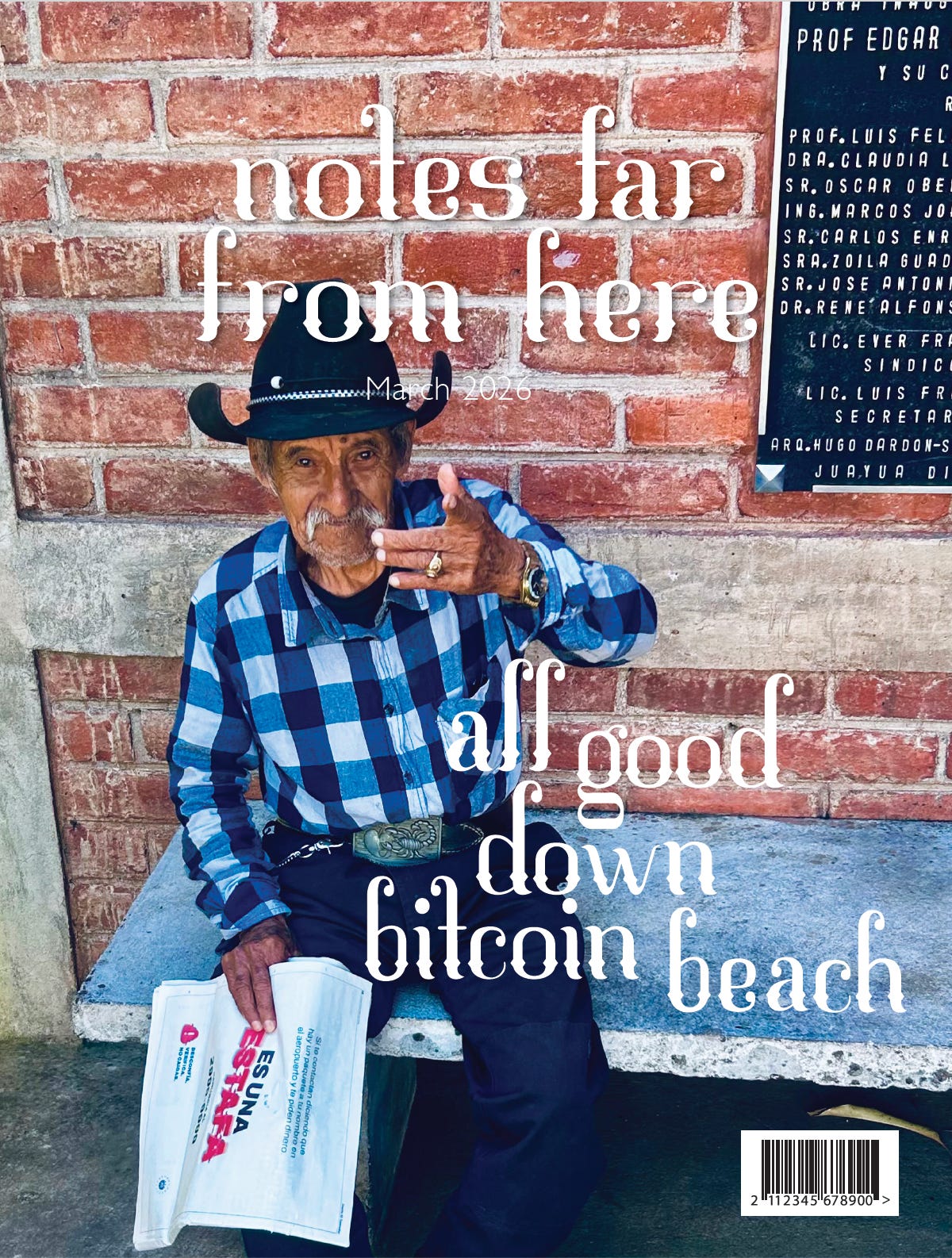
El Salvador has quietly lingered in the back of my mind for a long, long time. In the late ’80s, I made friends in school with refugees from the civil war. In the mid-’90s, I sat wide-eyed watching on TV as criminal gangs took over and spread fear across the country. Ten years ago, I learned that El Salvador had the highest murder rate in the world. And then, the saviour arrived. Dubbed (by himself) the “coolest dictator,” (top bloke right here) Nayib Bukele swept to power in El Salvador in 2019. He ran on a populist, anti-corruption platform, using social media to campaign. Bukele gained international attention for his efforts to reduce corruption and gang-related crime. The centrepiece of his strategy is CECOT, the largest prison in the world, capable of holding over 40,000 inmates. His policies have reportedly been successful in drastically reducing crime rates (according to the government) but they remain controversial due to concerns over human rights violations.
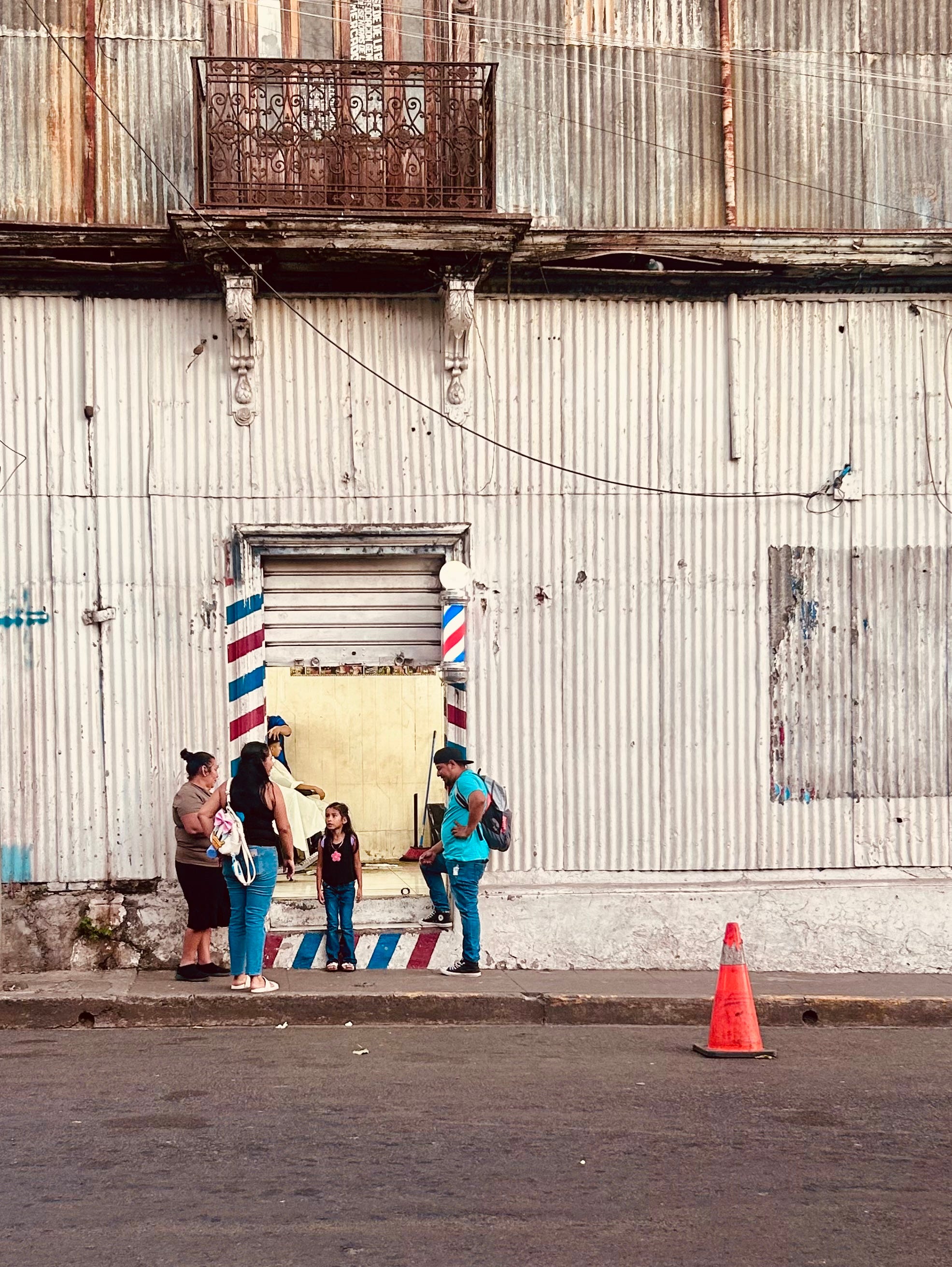
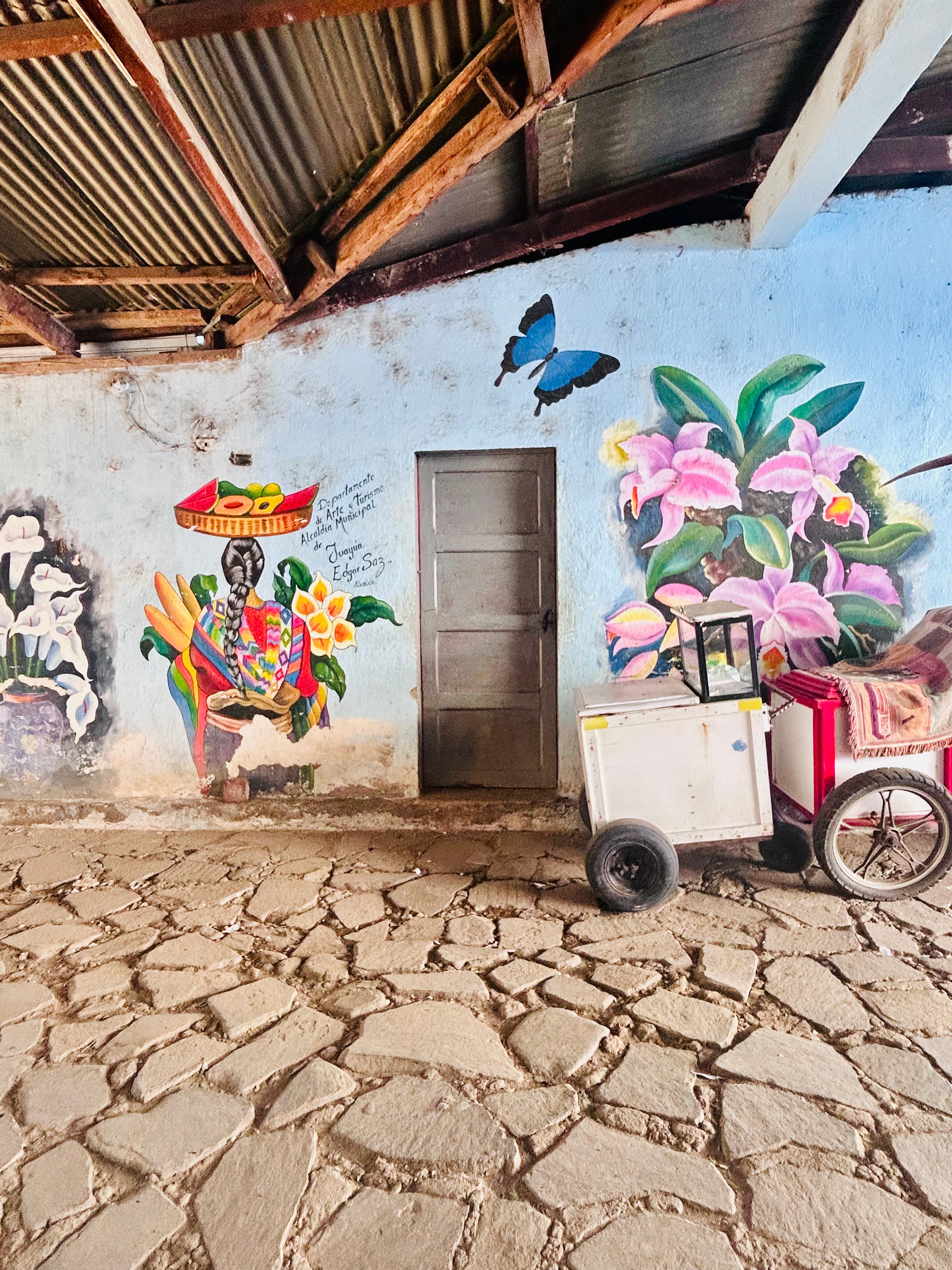
I have been travelling in Guatemala for a couple of weeks, and who am to not visit its neighbour once I’m finally in Latin America? Exactly. A kind looking and very talkative young man named Angel picks me up from the airport in San Salvador. I have been with my Chilean bestie in Guatemala, but as of today, I am left with my limited Spanish and a very curious Angel. Angel drives a taxi for a living. He is surprised I don’t have any kids and says women my age in El Salvador “look like grandmothers” because they have their first baby at 18. Angel does not want children himself as he believes there’s no future for them here in El Salvador. He loves driving his taxi and chatting to “granny-aged” people like me, he says. Funny guy, Angel. We’re on our way to El Zonte, dubbed Bitcoin Beach, on the Pacific coast, about an hour’s drive from the capital of San Salvador
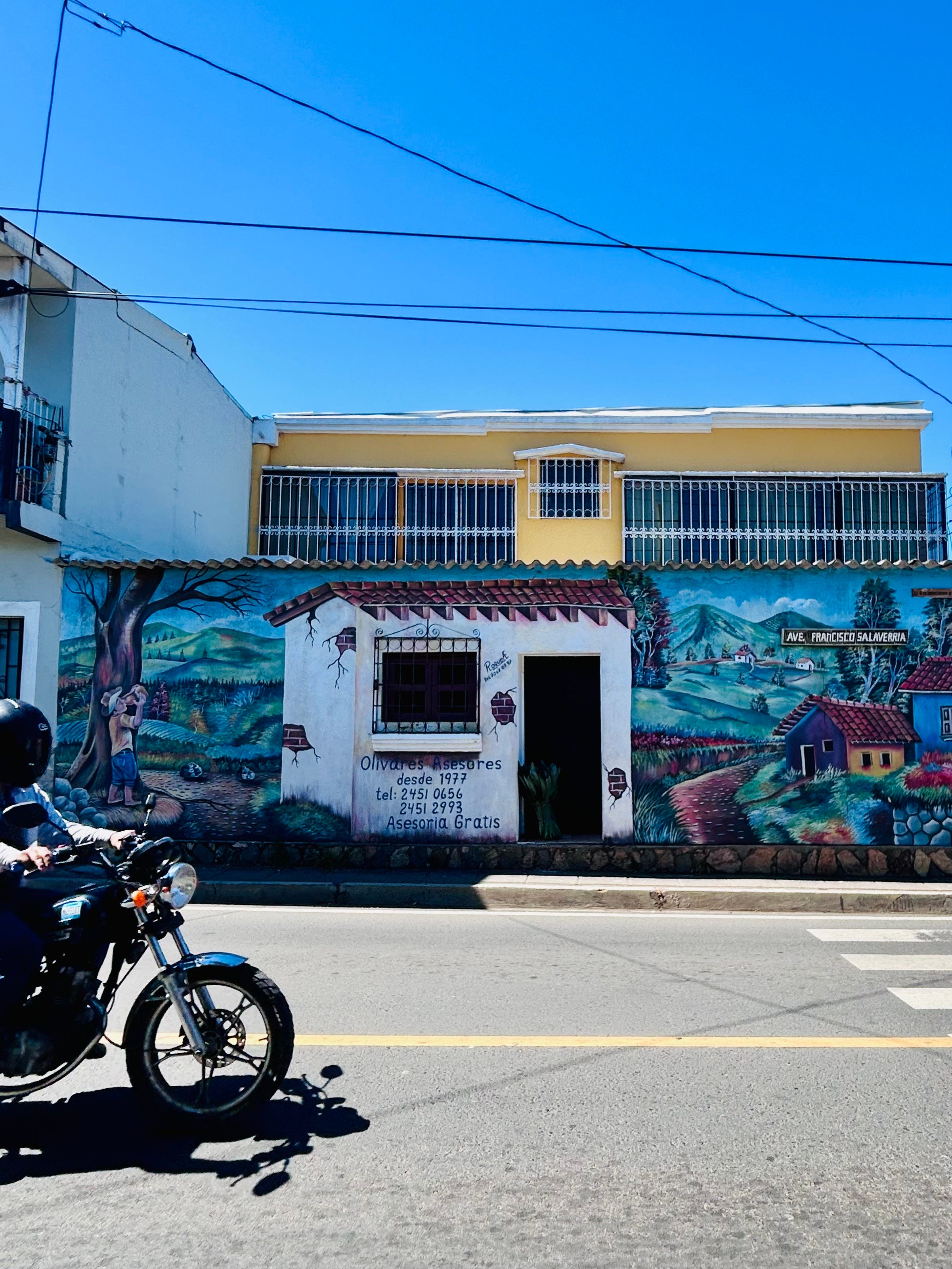
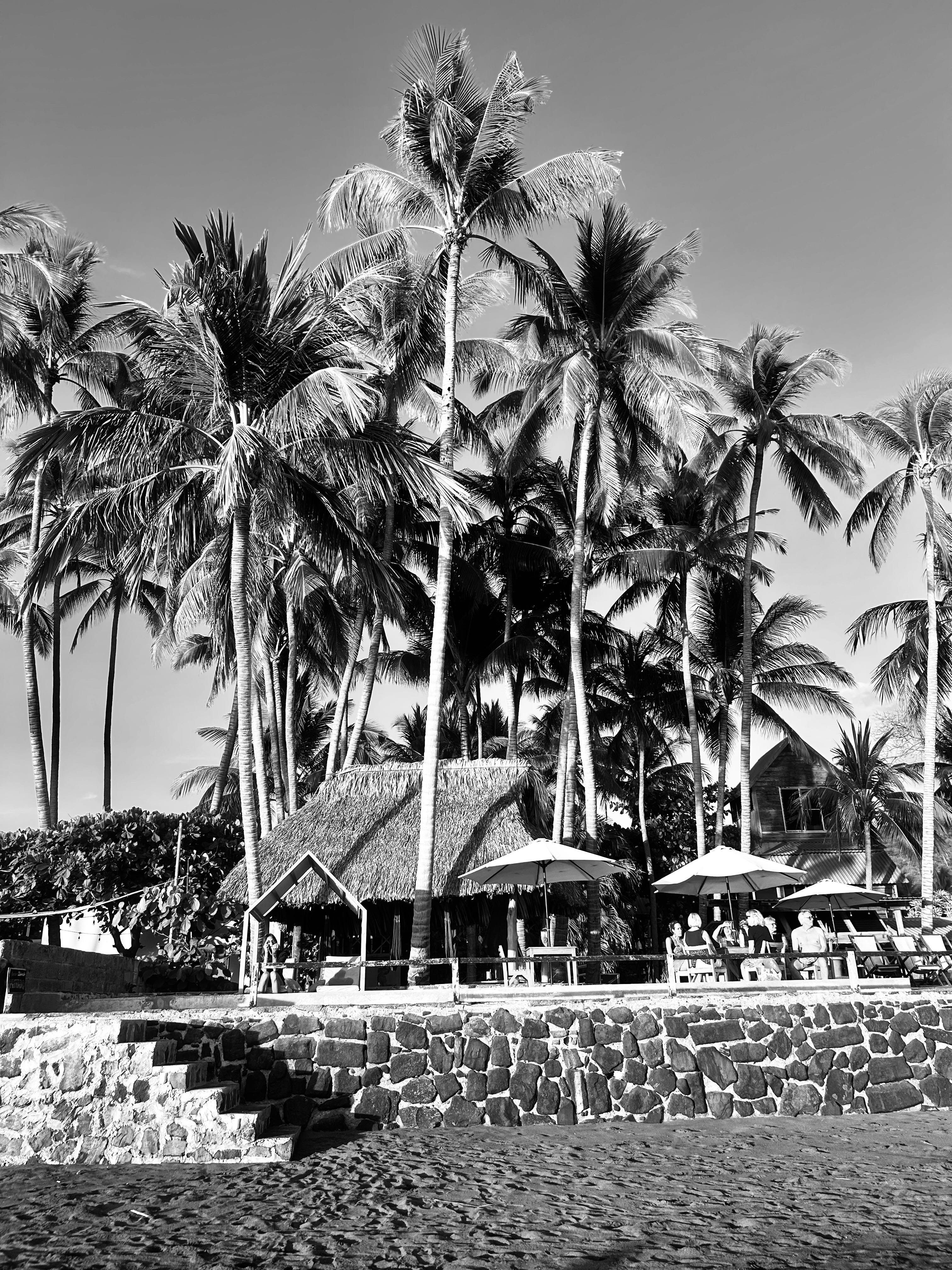
Taking left off the highway just after we pass a sign saying La Playa, it’s hard to imagine that this dusty little surf town set off the Bitcoin movement in El Salvador. It all started as a grassroots crypto project, aimed at creating the world’s first Bitcoin-based local economy. This turned out successful, and later inspired national policy and created lots of global attention. El Salvador was the first country in the world to make Bitcoin legal tender. By 2022, more Salvadorans had Bitcoin wallets than regular bank accounts. It’s fascinating to learn how this small beach town became the birthplace of a global currency. El Zonte certainly does not give finance vibes. Very low key with a few restaurants and (thankfully) only one obligatory Viking bar. Proud Swede, eeh. I spend six days here in a pretty little hotel, give life advice to 23-year-olds from Holland, get food poisoned by a ceviche and go for long walks on the beach. Every evening we gather to watch the sun set over Bitcoin Beach.
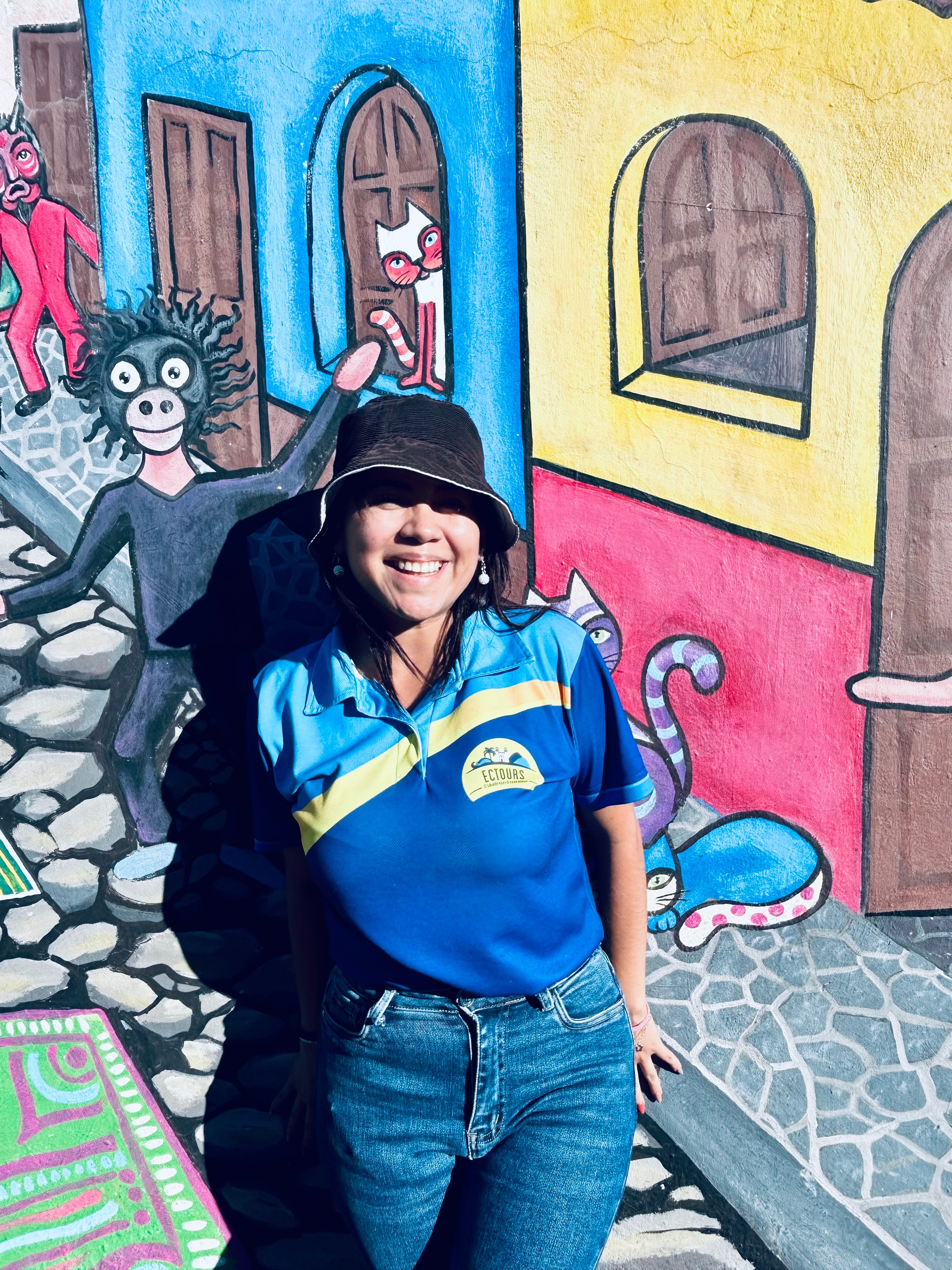
Next on my agenda is a day tour of La Ruta de las Flores, a scenic route running through the west of the country, known for its natural beauty, colonial towns and coffee culture. I see beautiful street art, visit coffee plantations high up in the Salvadoran mountains and shop in colourful markets. This is all lovely and all, but what is even more interesting is talking to our guide, Maria. She is 28 years old and has worked as a tour guide for a few years. “Before Bukele cleaned up this country,” she says, “neither you nor I would be here. There were only criminal gangs.” Maria has a neutral, almost numb look on her face as she tells the story of her cousin, who was about 20 when a local gang member took a fancy to her. Her cousin turned him down, and as payback, she was kidnapped, raped, and murdered. The gang left her body parts in a black plastic bag outside her mother’s house. You don’t say no to a gang member. Maria says her aunt is now in a mental hospital, and in the next breath, she tells that all in all, she is happy about Bukele coming to power. “But I don’t trust him,” she continues “he hides things from the people. We can only wait and see how it goes”.
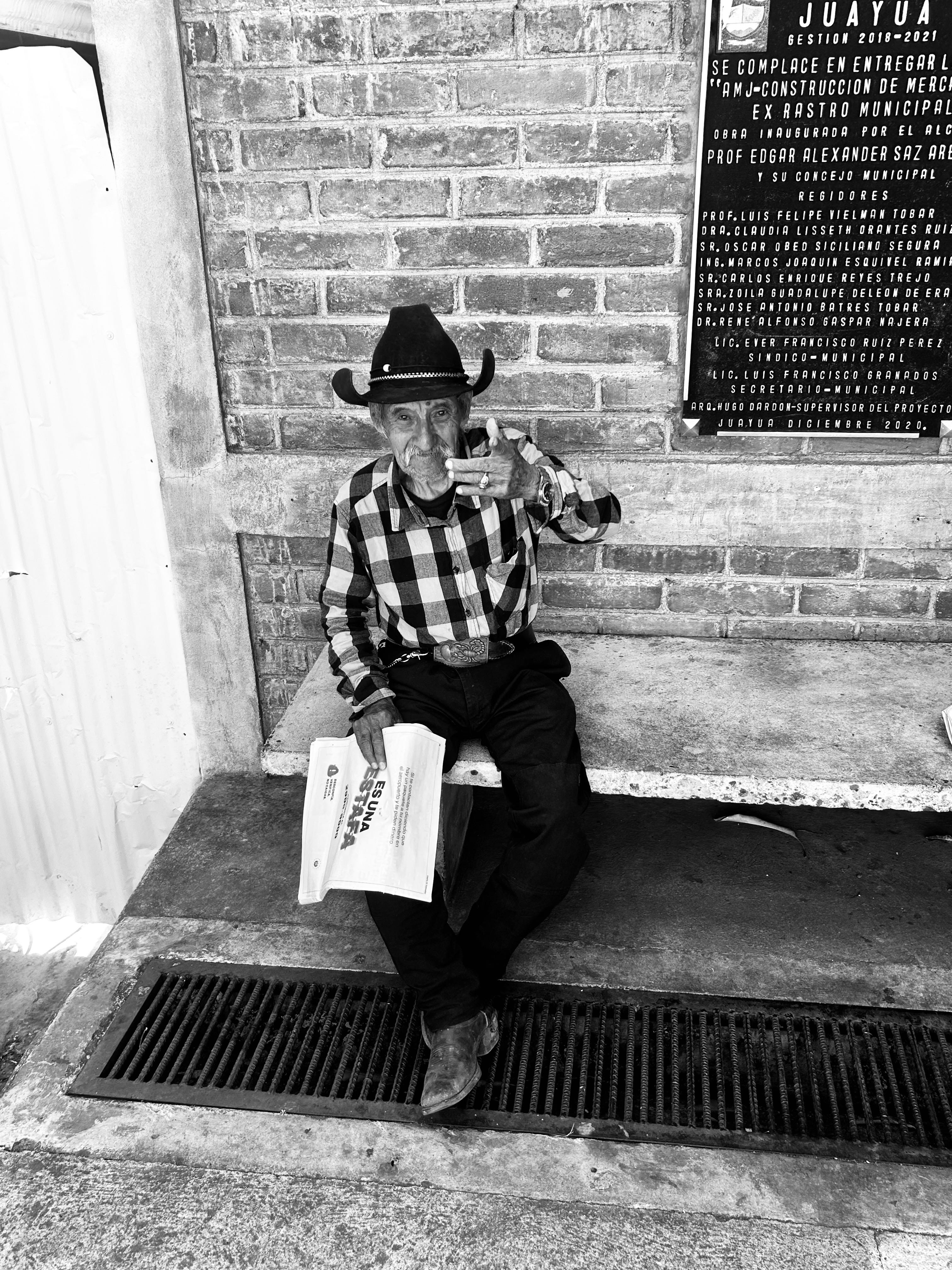
It’s hard o grasp what I’ve just been told. And even then, Maria’s story is just one of many from the years when gangs held El Salvador in an iron grip. I spend the last few days in the capital. I pull out my camera whenever I want to snap a picture, and walk alone at night on poorly lit streets. None of this would have been possible only a few years ago. People like Maria couldn’t even go to work without the risk of being kidnapped. Yet, I also hear of people being jailed for years without a trial. I guess this is the Nayib Bukele version of taking the rough with the smooth.

El Zonte
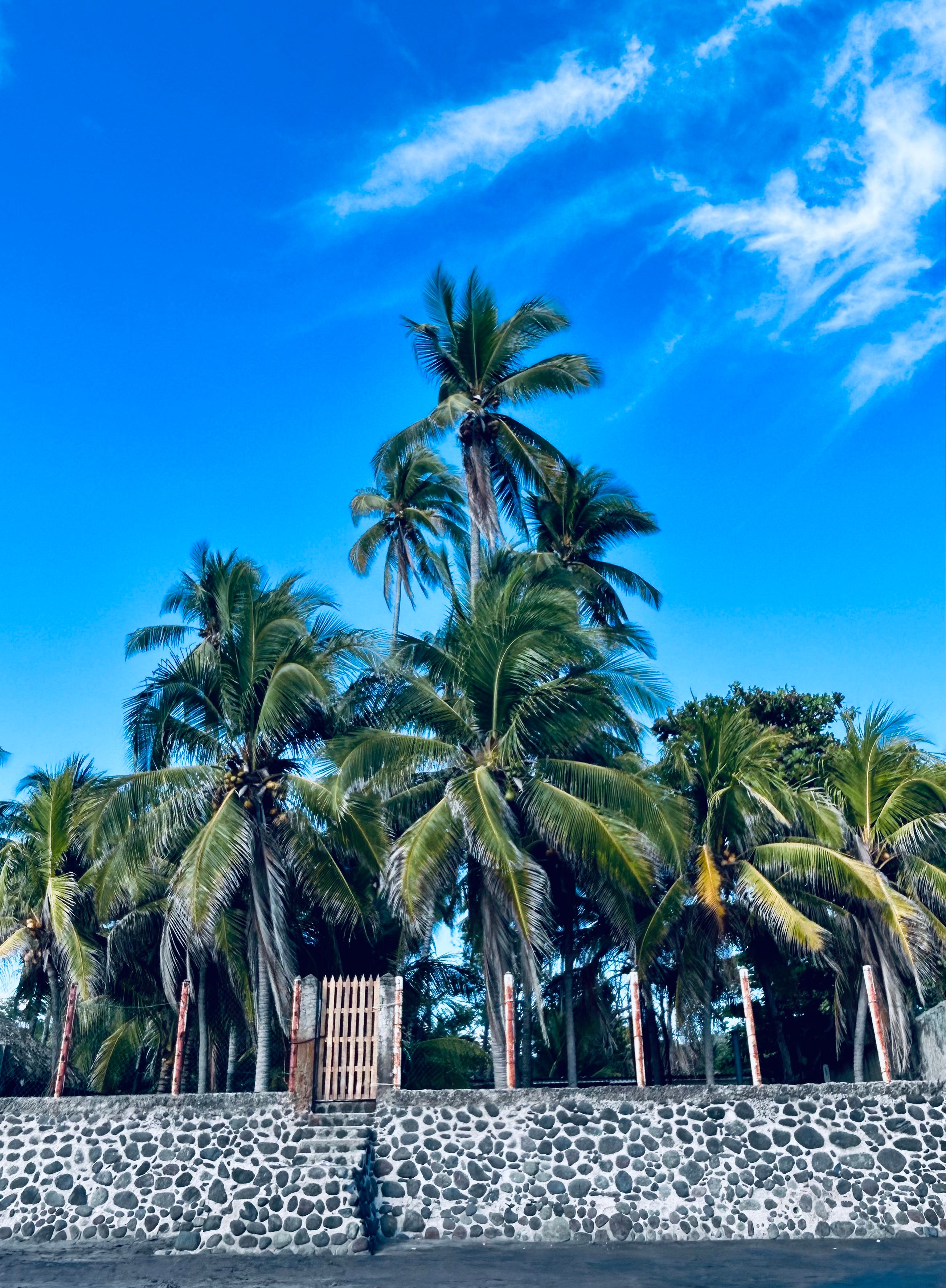
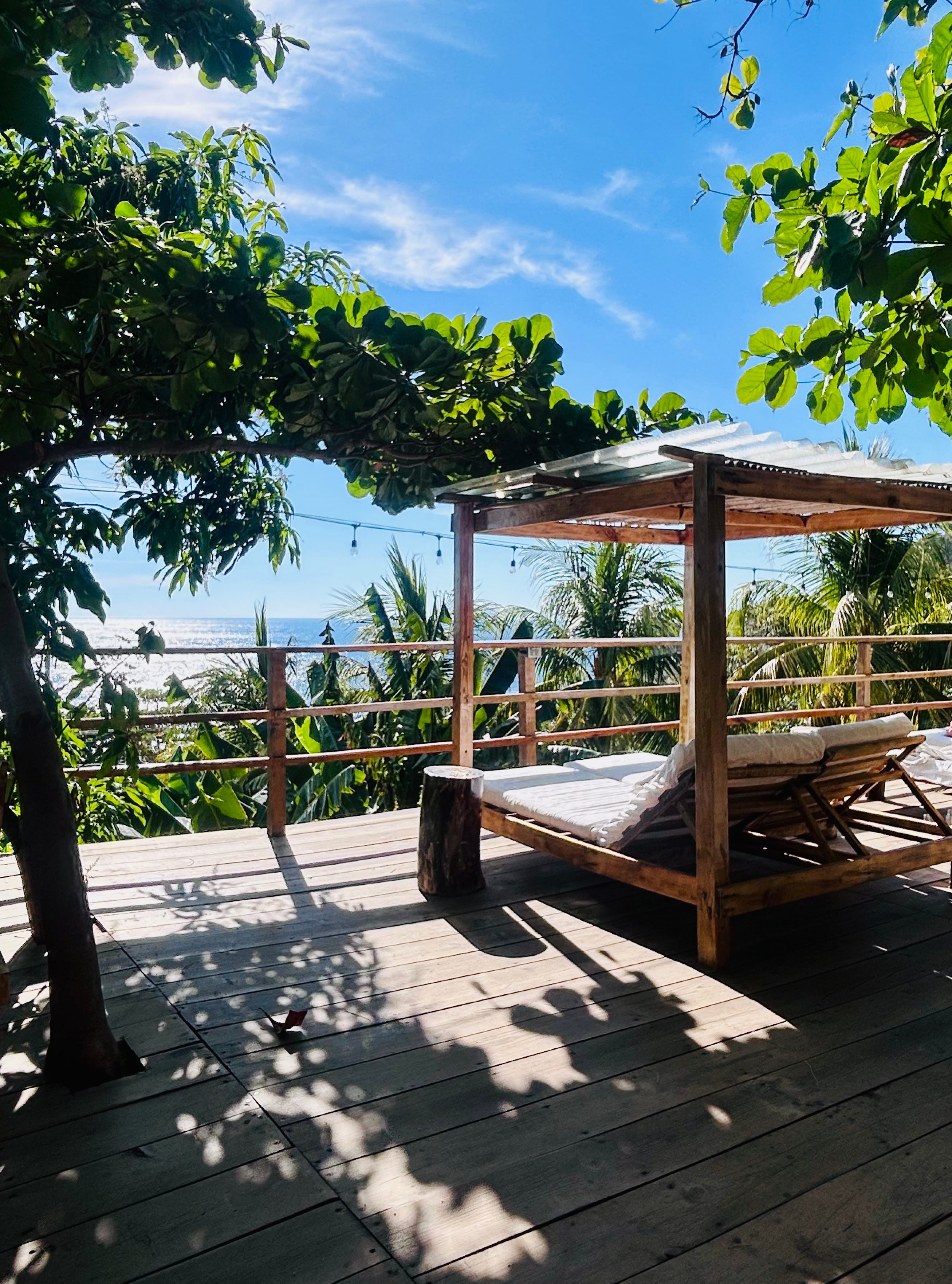
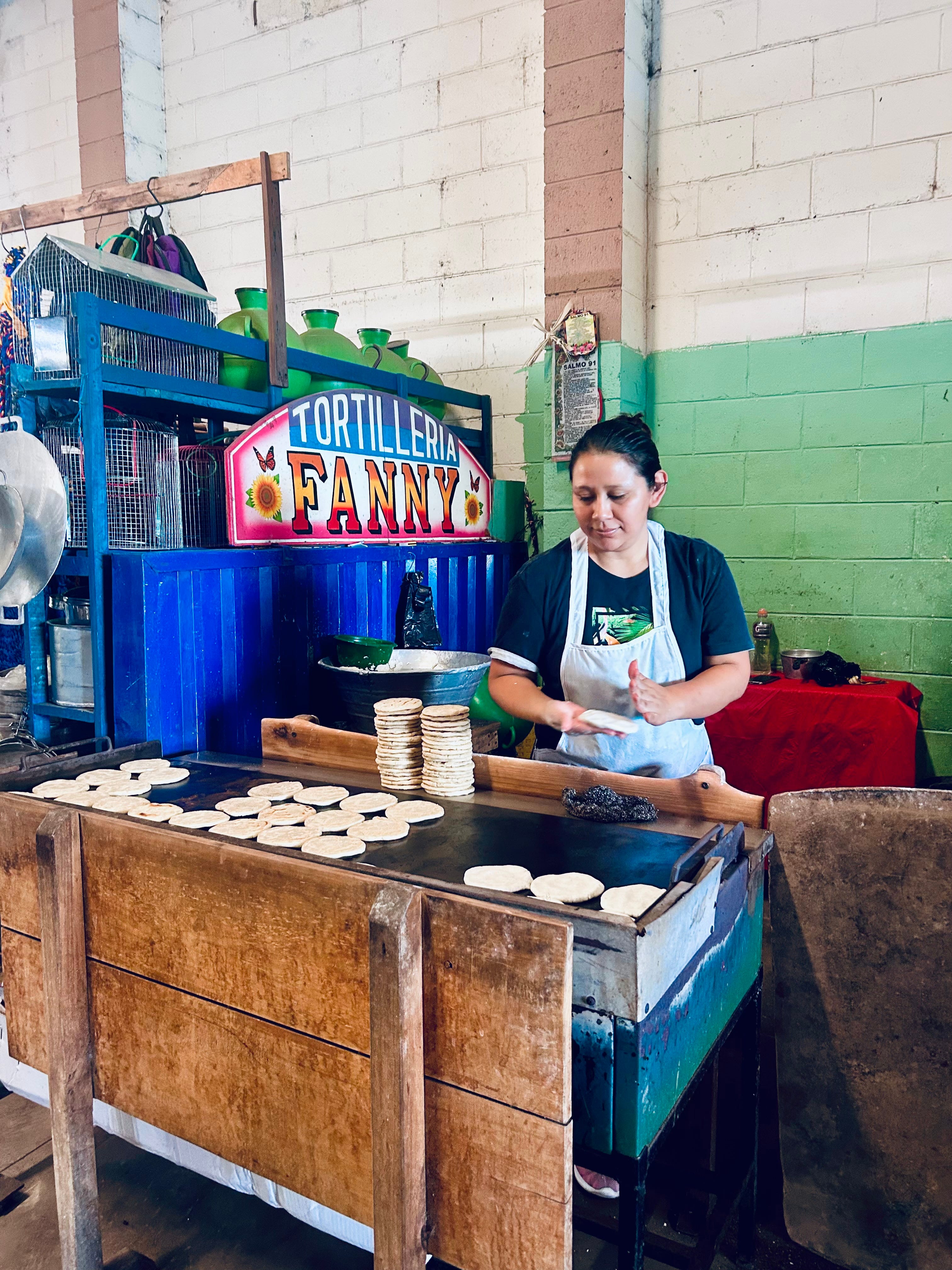
The small coastal town of El Zonte is 100% surf. I don’t surf and I wonder why I yet again find myself in a surfer’s mecca like this. I feel like a mum holding my kids’ towels and I hate this feeling cause I’m normally on any given board (snow or skate). Water and reefs are not my friends, and after many half assed tries I’ve decided I’m not doing surfing. But you know what, in El Zonte it does not matter. Go take long walks along the beach, swim in the ocean and bring your book to a cute café. There’s a super nice hole in the wall kind of place making puspusas, El Salvador’s national street food that you must try. El Xalli is a super nice place to stay.
Ruta de las Flores
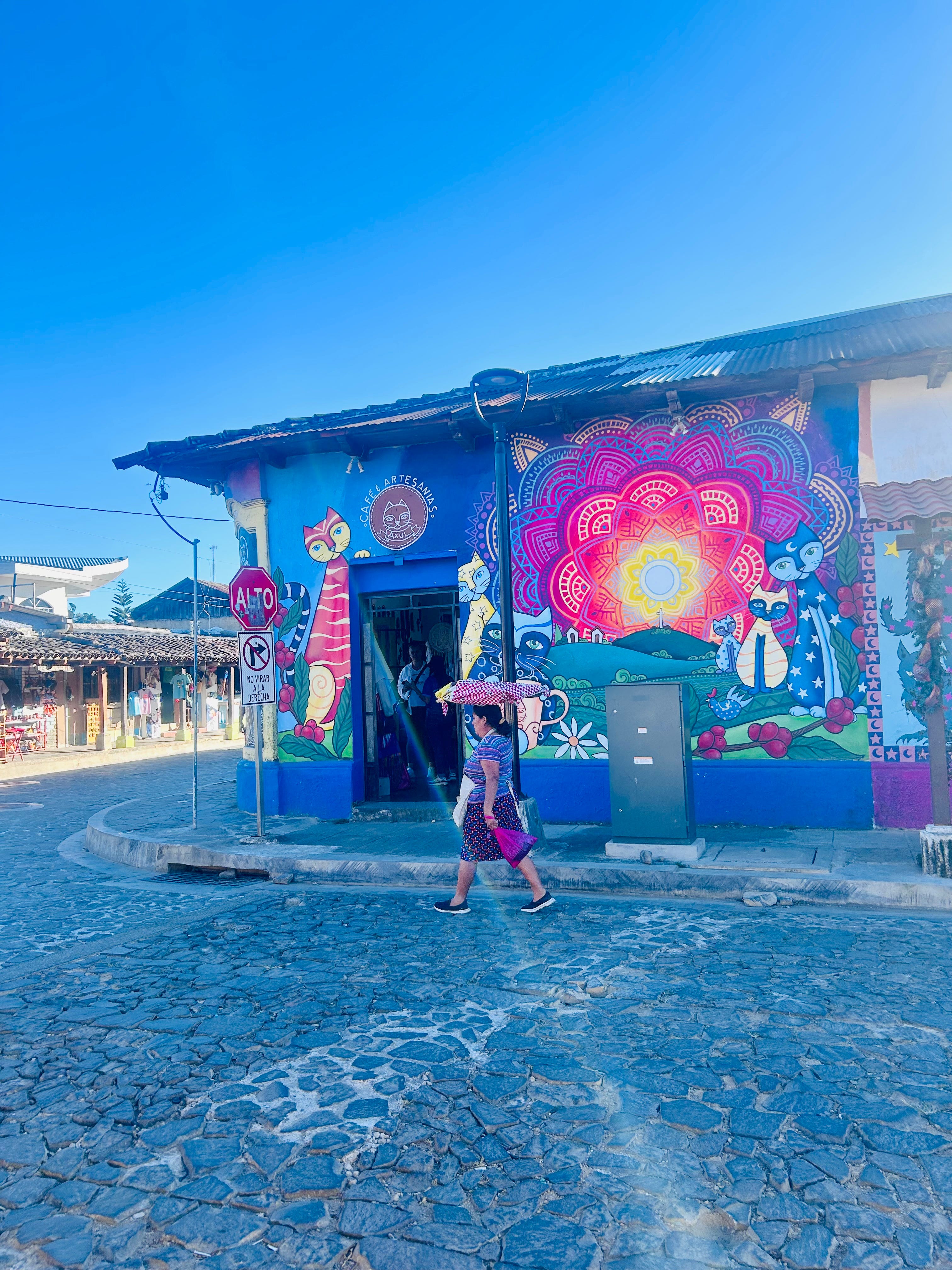
Take a day tour of this gorgeous route, known for its cute colourful towns, flowers and coffee. Around May, the route turns fully white because of its many blooming coffee flowers. You can also easily rent a car and make your own way along the route. I’d love to, but I have not driven in 10 years, and I don’t want my first time behind the wheel to be in Latin America. I normally only list hotels where I’ve actually stayed, but here’s an exception; this one I would have loved to spend a few nights if I was being driven around.
San Salvador
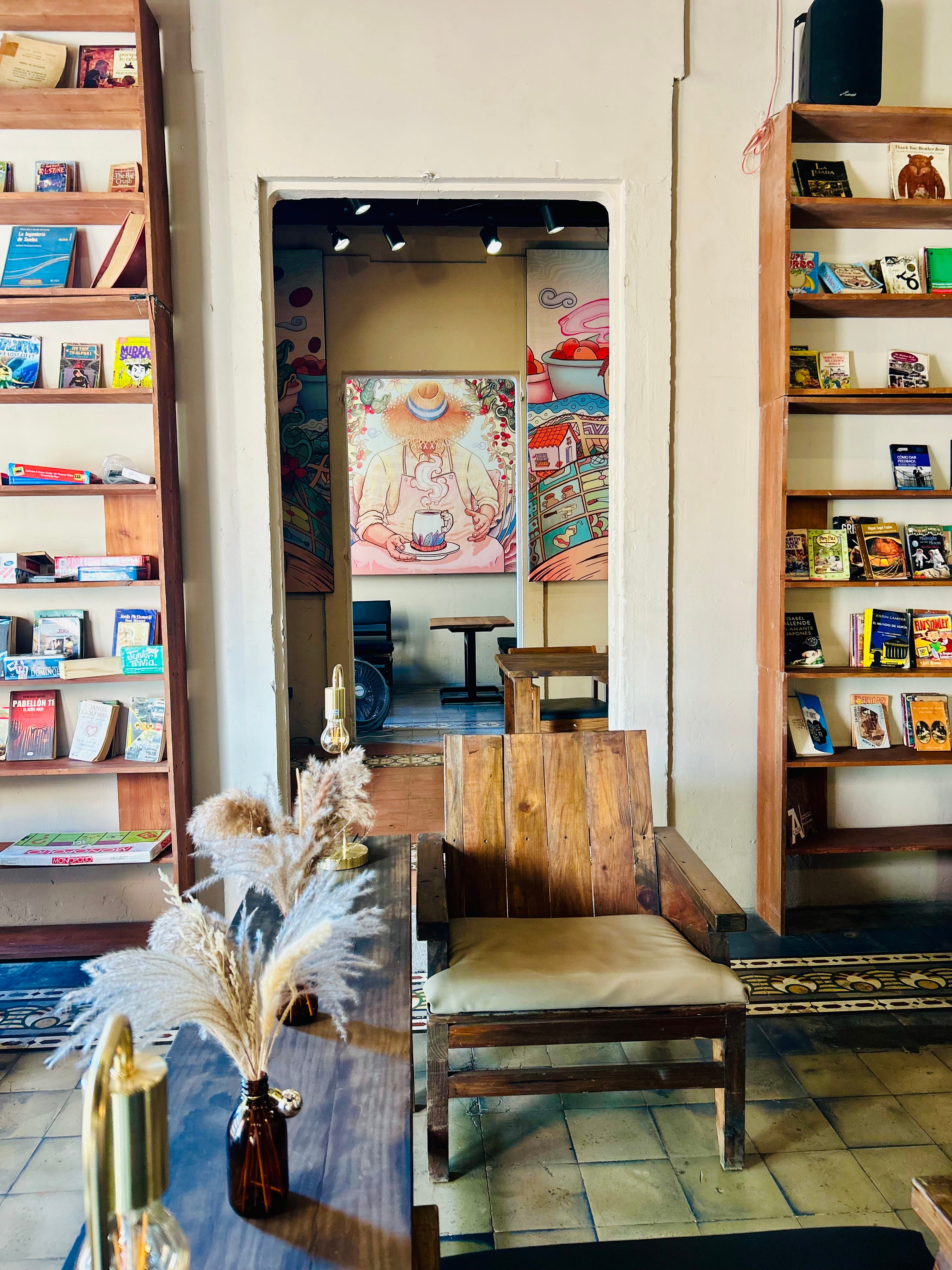
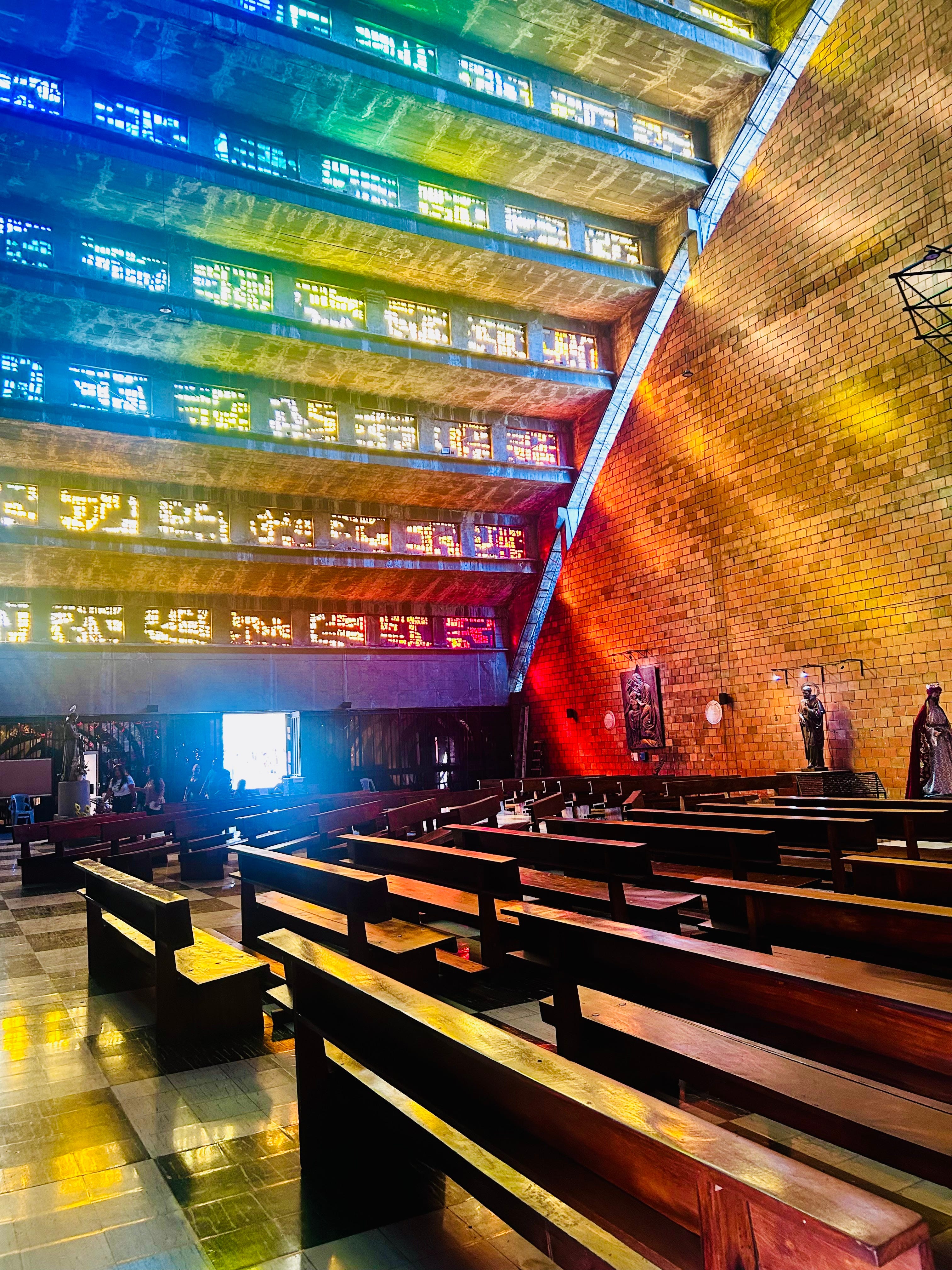
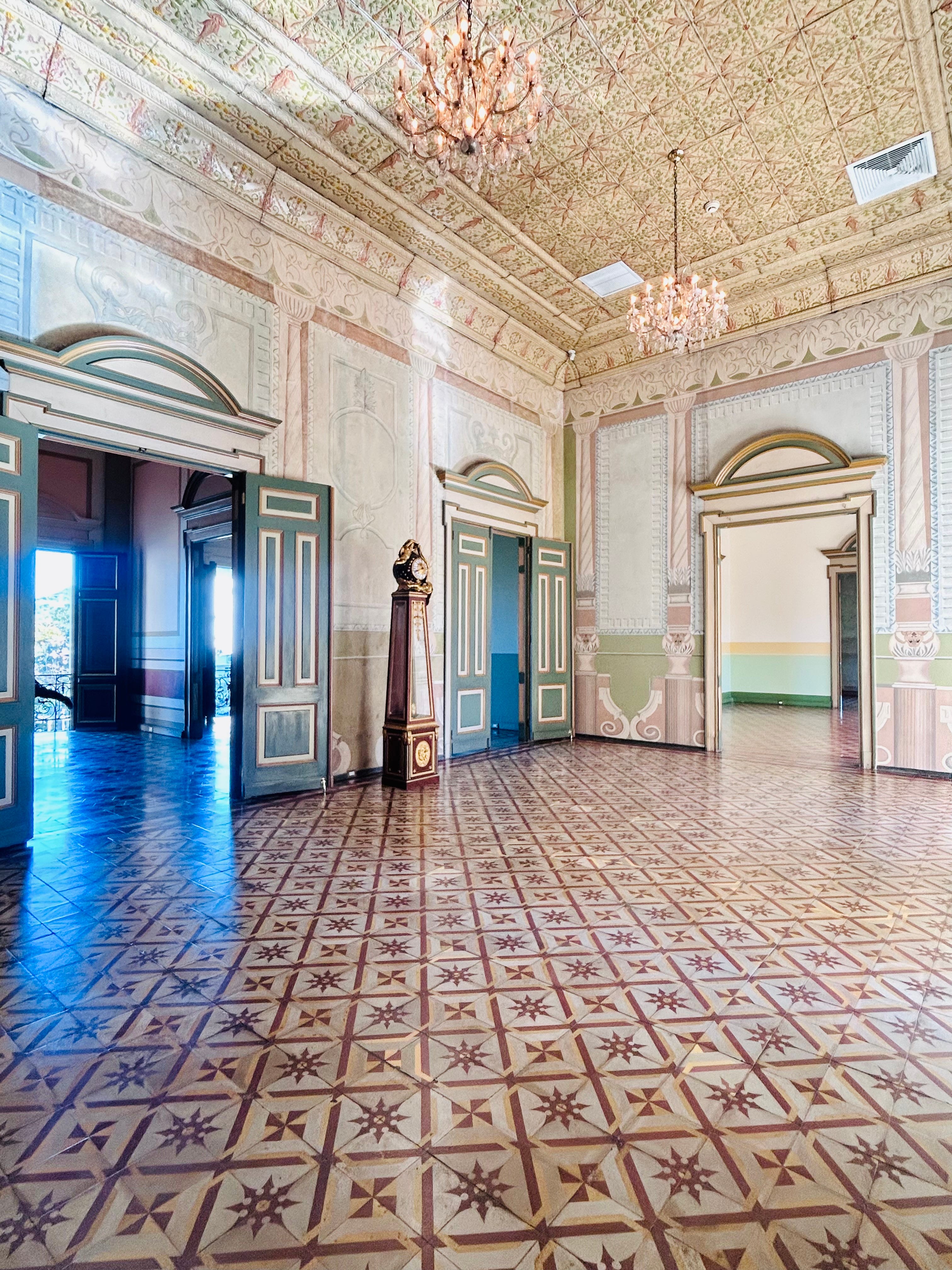
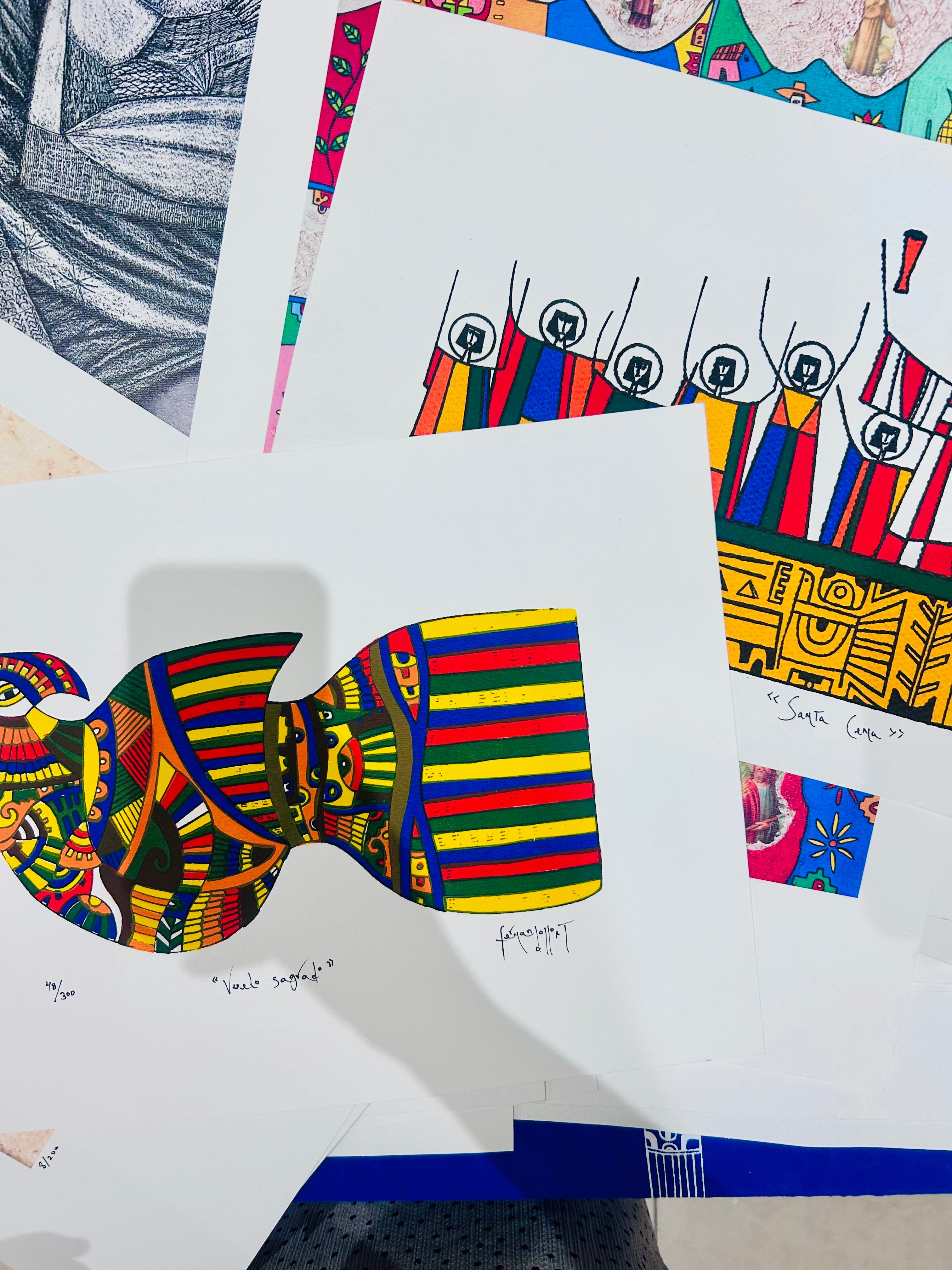
Man, have I trash talked Latin American capitals over the years. Most of the ones I visited look like tropical versions of the ugliest Swedish small towns, but mind you, San Salvador is actually really nice. Like it’s not super pretty but I found some proper beauties! Visit CEDART art exhibitions in downtown, a place that celebrate Salvadoran art and craftsmanship. On the top floor is a beautiful combined bookstore and café where I spent hours. Then, a visit to the absolutely stunning Palacio National is a must. The snassy design of Iglesia El Rosario is also a must-see. Finally, stop at El Arbol de Dios, the gallery of the late Fernando Llort. Visit this colourful museum, shop and factory. I stayed at Kaleo Hotel cause it’s in a nice residential area called San Benito.

I don’t know about you, but I always get so much more out of my travels when I do my homework prior to departure. I know I know, a right Miss Goody Two Shoes over here but yes, I almost always watch documentaries and read up on history, current events and culture prior to a trip. Here’s the prep for El Salvador + some boring practical information. Plus I tend to make moodboards like these for any trip!
The story of Bukele’s super prison CECOT. You wont get to visit this one, so you might as well know what people are talking about.
The world of Fernando Llort, dubbed El Salvador’s National artist. I love this man’s colourful work! I did not find any good documentary but this Pinterest search shows what he’s all about!
Learn a few basic phrases in Spanish so you don’t need to be that horrible dude ordering a latte I’m referring to here. Souvenirs wrote a great article about travel and language learning.
American dolares is key in El Salvador if you don’t pay with Bitcoin.
El Salvador turned out to be a great pairing with Guatemala. Not only cause it’s a neighbouring country, but after a few weeks heavy on culture and volcano hiking, El Salvador was the perfect place to wind down by the beach. El Salvador has OF COURSE also a seriously rich culture and beautiful hiking and volcanoes and what not too, but this is how I did it sue me! There’s only so many volcanoes a girl can handle 🤷♀️

.
These tunes on repeat! How come hip hop sounds so much better in Spanish?

Whenever you hear from Rachel and her Travel Backstories, you know the subject will be interesting and the take sharp. You’re also likely to get a local’s perspective on stuff, since she has practically lived everywhere. She once posted an article about Laos, and then it turns out she lived there for four years, and even learned Lao! I don’t know anyone else who has lived in Laos for starters. She goes far beyond the usual stereotypes of the places she writes about. If you’re heading to Barcelona, make sure to read her pieces (like this one for example)! She (obviously) lived there too.
I’ve been subscribing to Brandi’s newsletter with the brilliant name This wasn’t the plan for a while now, and I enjoy it so much. Brandi feels a lot like me, her thoughts and feelings are all over the place in the best kind of way! She writes in a witty and entertaining way about both life in general and about her travels Brandi feels like a friend who tells the truth and isn’t afraid to reflect on why things feel off sometimes. Start with this and this post!
Nothing to do with El Salvador, but honestly I can’t anymore with how current media coverage focuses more on influencers being stuck in Dubai, unable to get home with their latest Louis Vuitton bag before their tan fades, and less on the victims of this horrible war. Sure, it complicates things for a lot of people (myself included), but the majority of us living in Europe or the US are not going to see our loved ones die or be displaced. And honestly, the stupidity of people describing this as something that “isn’t supposed to be happening here” is not just careless and ignorant—it’s yet another reflection of how we view the world: that the privileged can, at any moment, choose to tune out the horrific things happening around us.
All photos taken by me
Oh wow I really loved this piece, Stina! Thanks for sharing your experience in El Salvador. Maria's story is truly heartbreaking, and her witness also shows the nuance of this topic. Is the country safer, in general? It looks like yes. Are things still complicated? Probably yes. But, if women can go to work and even walk alone at night, then this does look like progress.
I was in Guatemala around this time two years ago (oh, the volcanoes!!) and I really regret not going to its neighbouring country. But reading this post took me there, for a moment.
Lovely stuff, Stina. I was there in 2012. I remember showing the hostel owner my photos of the centre of San Salvador and she was shocked that I'd been there and nothing had happened to me.
That church is great. It reminds me of a similar one in Monrovia, Liberia. I sat down for coffee outside it, but they didn't have coffee, only "romcafe" which turned out to be coffee flavoured rum. At 10am. They then asked me to join their football team and the owner was very keen on me marrying his (completely disinterested) eighteen-year-old daughter.
Anyway, thanks for bringing back some memories!